Out of 1,500 hours in a standard cosmetology program, the typical curriculum devoted roughly two hours to textured hair. And those two hours focused on straightening it. That figure comes from L’Oreal USA’s diversity leadership team, and it describes the training environment that produced most of the stylists working today.
That ratio is changing. Eight states have passed laws requiring cosmetology schools to include textured hair training in their licensing curricula. A federal bill, the Texture Positive Act, would create grant funding to expand that training nationwide. And the industry coalition behind these efforts, the Texture Education Collective, has already placed its curriculum in over 150 schools.
This is a structural change in how the profession trains its workforce. For salon owners and independent stylists, it has direct implications for hiring, service menus, and the size of your addressable client base.
How Eight States Got Here
2021: Louisiana
First state to require textured hair education for cosmetology licensure. The law passed with bipartisan support and took effect for all programs statewide.
2023: New York
Passed legislation requiring training, education, and testing on all hair types and textures for cosmetology licensing. New York became the first state to include testing on the state board exam.
2024: Minnesota, Connecticut, California
Three states passed legislation within months of each other. Minnesota and Connecticut added curriculum mandates. California, the largest cosmetology market in the country, required textured hair training across all licensed programs.
2025: Washington, Vermont, Maine
Three more states signed legislation in an eight-week span during mid-2025. Implementation timelines vary, with most taking effect within 12 months of signing.
2025: Federal Texture Positive Act
Rep. Nydia Velázquez reintroduced the federal bill creating a grant program for textured hair education. Sixteen co-sponsors across ten states.
The acceleration is notable. It took two years to go from one state to two. Then three states moved in a single year. Then three more in eight weeks. The Professional Beauty Association is actively working on legislation in additional states.
This follows a pattern I have watched play out with gender-neutral salon pricing: a handful of early movers establish the precedent, momentum builds through industry coalitions, and then adoption accelerates once major markets (California, New York) are on board.
The Numbers Behind the Gap
The education gap is not abstract. A TRESemme Hair Bias Report found that 86% of Black women surveyed had difficulty finding consistent, quality salon service. Clients report being turned away with some version of “we don’t do that kind of hair.” That phrasing is the direct output of a training system that treated textured hair as optional coursework.
Stylist attitudes toward textured hair training
That 75% figure is striking. Three out of four stylists say they want more textured hair training, according to data compiled by the Texture Education Collective. The demand is not coming from one demographic. Seventy percent of white stylists specifically said they wanted additional education on coily and kinky hair types. The gap is widely recognized inside the profession, even by people who were never required to close it.
The pricing data tells its own story. When 63% of white stylists think it is fair to charge extra for textured hair services, that signals a skill deficit being passed along as a surcharge. If a stylist charges more because the work takes longer, and it takes longer because they were never trained properly, the client is paying for a curriculum failure.
What This Means at the Salon Level
Roughly 65% of the global consumer population has textured hair. The textured hair care product market alone is valued at $3.8 billion in 2025 and growing at 6.5% annually. That spending power translates to salon visits, but only if salons can serve those clients competently.
Three practical consequences for salon owners and solo stylists:
Hiring will change. As more graduates come out of programs with mandatory textured hair training, the baseline skill set shifts. If you are hiring in a state with these requirements, your newest team member may be more capable with coily and curly textures than your ten-year veteran. That creates both an opportunity and a training gap to manage internally.
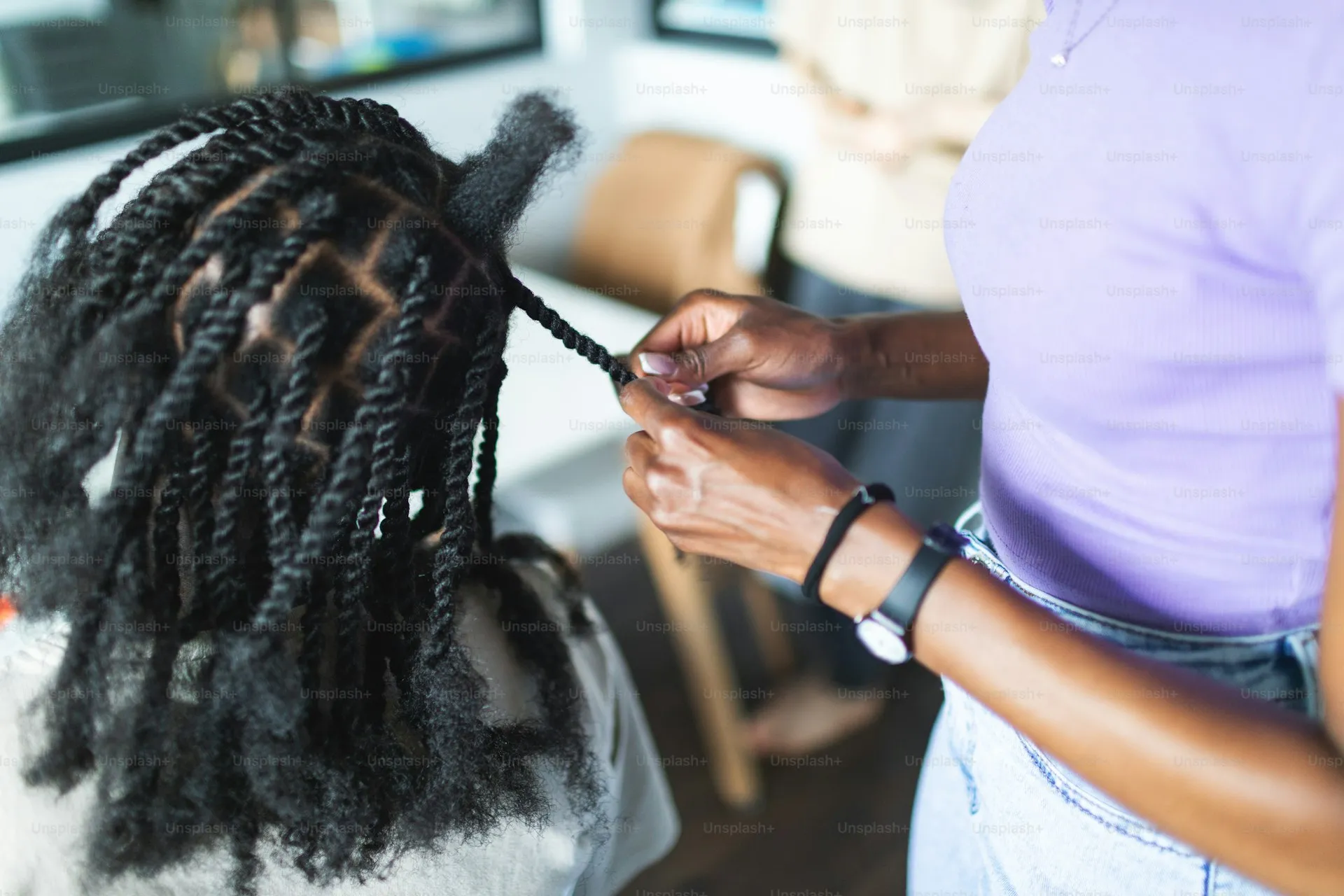
Service menus need to reflect the full texture spectrum. A menu built around blowouts, keratin treatments, and coloring for straight-to-wavy hair leaves revenue on the table. Twist-outs, protective styling, curl shaping, and texture-specific treatments are service categories with strong demand and solid per-hour revenue. The stylists who can deliver them are building fuller books.
Client acquisition expands. A salon that can credibly market itself to all hair textures draws from a larger pool. For solo stylists, being known as someone who handles textured hair well is a genuine differentiator, especially in markets where most competitors were trained under the old curriculum.
The Industry Infrastructure Is Moving
The Texture Education Collective, founded by Aveda, DevaCurl, L’Oreal USA, and Neill Corporation in partnership with the PBA, is not just lobbying for legislation. The coalition has developed a standardized curriculum and placed it in over 150 schools. That is infrastructure, not advocacy.
Milady, the dominant cosmetology textbook publisher, has updated its curriculum resources to include textured hair content across its programs. When the standard teaching materials change, the effect ripples through every school that uses them.
Separately, private educators like Melissa Taylor’s Texture Academy offer 16-hour intensive training for licensed stylists who want to close their own knowledge gap without going back to school. That kind of continuing education investment is exactly the ROI-driven training budget that pays for itself through expanded service capability.
Where This Is Heading
Eight states have mandates. A federal grant program is in Congress. The curriculum materials exist and are already in use. The product market is growing. Client demand is documented. Stylist demand for training is documented.
I do not predict timelines, but I can read a trend’s direction. Textured hair education requirements are expanding, not contracting. The states that move next will likely be ones with large, diverse urban populations and active cosmetology boards.
For working stylists, the question is whether to wait for the mandate or get ahead of it. The training is available now. The clients are already looking for someone who can serve them. And the stylists who built this competency early are the ones who will be booked when the rest of the market catches up.