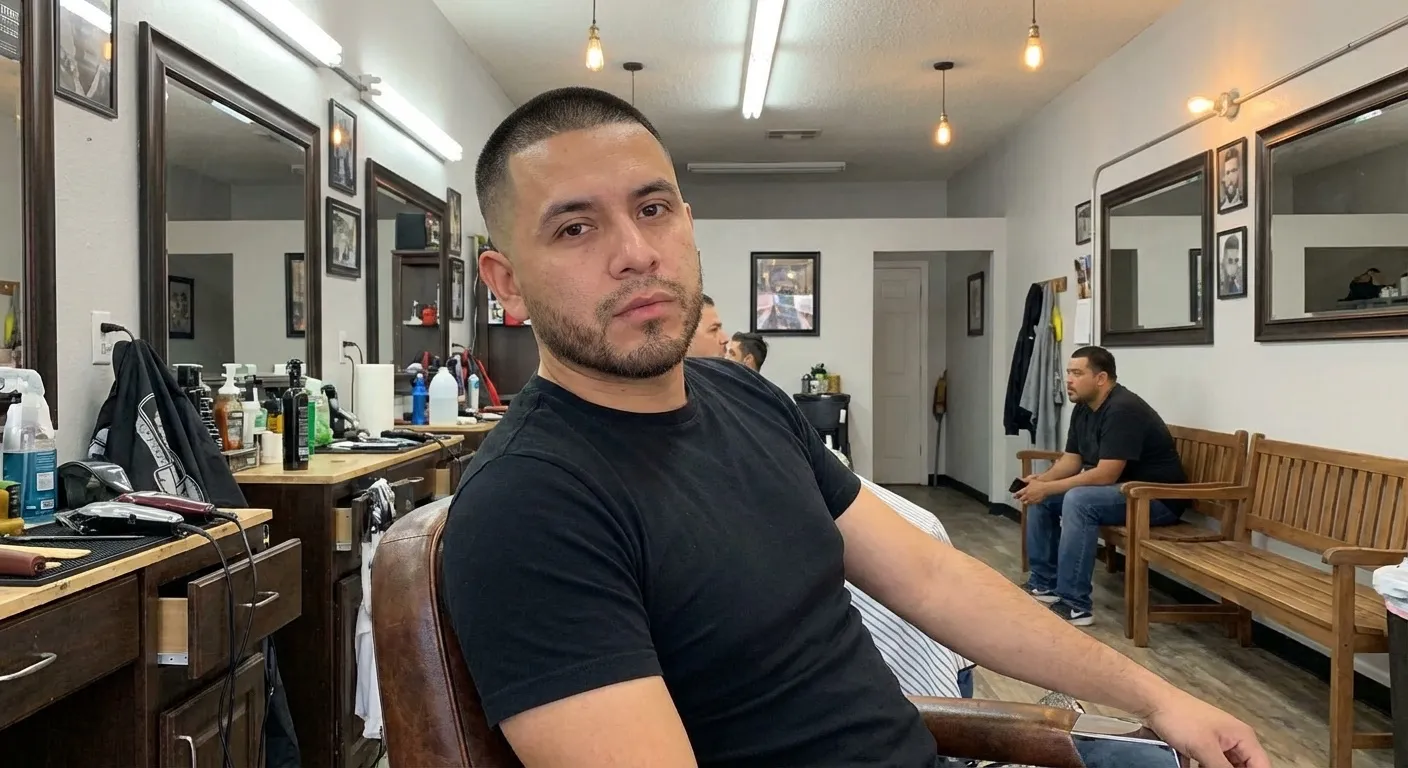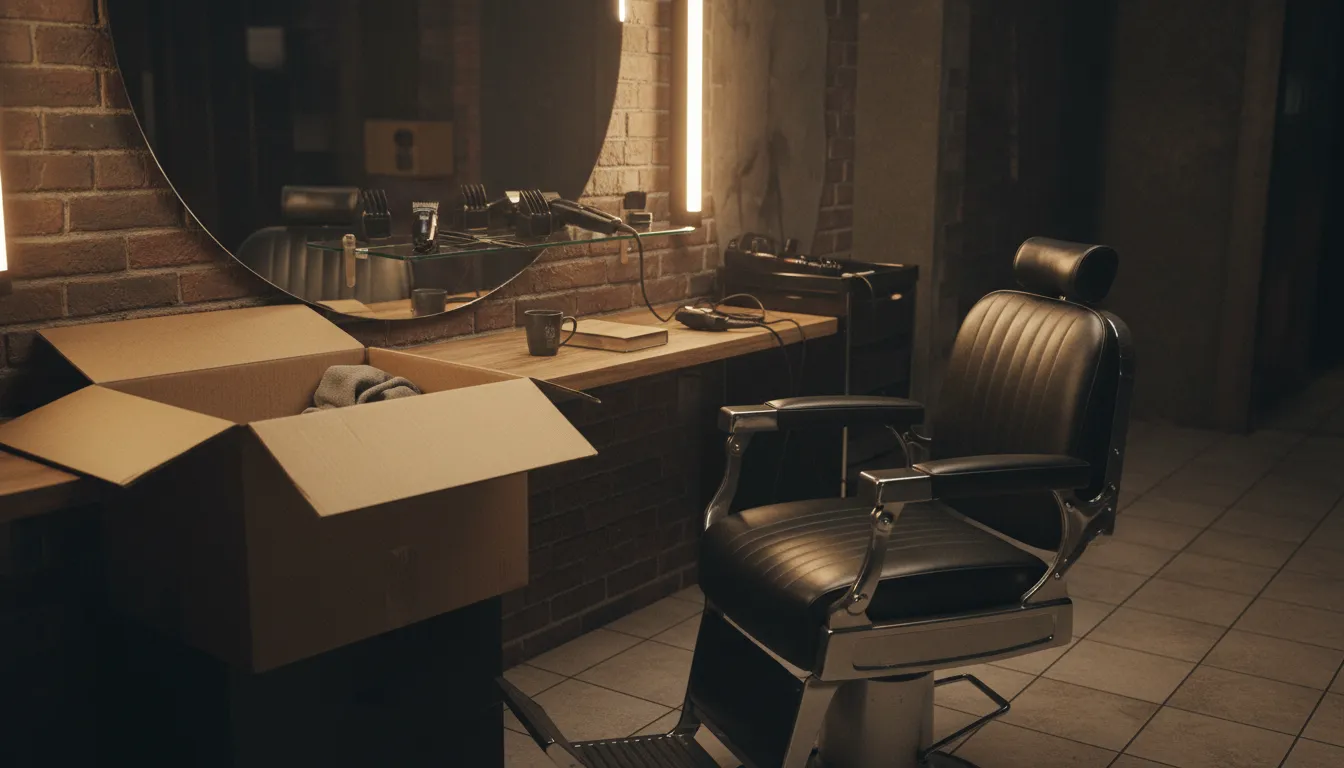
The week I gave notice at the chain shop, my manager looked at me and said: “You know your clients won’t follow you.”
I had about 60 regulars at that point. I’d been cutting there three years. I knew most of them by name, knew their kids’ names, knew who was going through a divorce and who just got promoted. I thought the relationship was bulletproof.
He might have been right. I didn’t know yet.
What the data says about clients following a barber
I went looking for numbers after I handed in my notice, partly to reassure myself. Phorest’s consumer research found that 84% of Americans would switch salons to follow their favorite stylist. That sounds great. But intention and behavior are different things.
The same research showed that 58% of clients stay with a salon specifically because of their relationship with the service provider, not the brand, not the location, not the products on the shelf. The person in front of them. That’s the real asset you’re carrying when you leave.
Still, I knew “I’d probably follow” and actually booking a new address are two different things.
How I told clients I was moving shops
I had about six weeks from the day I gave notice to my last day. I didn’t wait.
The first two weeks I told every client in the chair, face to face. Just said it plainly: I’m opening my own one-chair spot, here’s when, here’s roughly where, I’ll send you the booking link when it’s live. Then I handed them a card with my personal number.
Didn’t make a big production of it. Didn’t promise anything or frame it as a pitch. Just told them what was happening, the same way you’d tell someone you were moving neighborhoods.
Week three I texted every client I had a number for. Short message. “Hey, it’s Jay. I’m moving to my own chair on [date]. New booking link below. Hope to see you there.” That was it. No discount code, no pressure.
I posted on Instagram once, a simple chair photo with a caption about going independent. No graphics, no countdown timer.
That was the whole announcement strategy. No email newsletter, no flyer campaign. Just direct contact and one post.
What actually made clients follow
Out of 60 regulars, 38 booked with me at the new spot within the first 30 days. That’s 63%. Not 84%. But more than half, without advertising a cent.
The ones who came broke down pretty cleanly:
The clients I had genuine conversations with every visit all followed. The ones where we talked about nothing except the cut itself, I saw maybe half of.
Distance mattered too. My new spot was about 12 minutes from the old shop. Clients who drove past the old place to get to me, most of them came anyway. The ones for whom I was already slightly out of the way, several of them didn’t bother.
Two clients told me they found my new booking page through Google after searching my name. I hadn’t thought about that. Turned out a few people wanted to come but lost the card and just searched for me. That pushed me to get my local SEO squared away fast - my name needed to return something findable.
The biggest factor, looking back, was the direct text. The clients who got the text and replied, almost all of them booked. The clients I only told verbally in the chair, more of them fell off. The text removed the friction of remembering to look me up later.
What I’d do differently
A few things I’d fix:
The verbal announcement is irreplaceable, but it needs to happen earlier. I waited until week one or two. I should have told clients in weeks five and six before my last day, so they had more time to plan.
I’d also have captured more phone numbers before leaving. I had numbers for about 45 of my 60 regulars. The other 15 I could only reach through the shop’s booking system, which I no longer had access to once I was gone. Those were the clients most likely to slip away.
Getting a system that books the next appointment before clients leave the chair matters more than ever at a new location. Every client who pre-booked at the new spot before my last day at the old shop showed up. Every single one.
The real question
My manager was partly right. Not everyone follows. Sixty-three percent did, which was enough to cover rent month one and build from there. The other 37% were going to find a reason eventually anyway.
The relationship is portable. Most of it. You just have to do the work to carry it across.