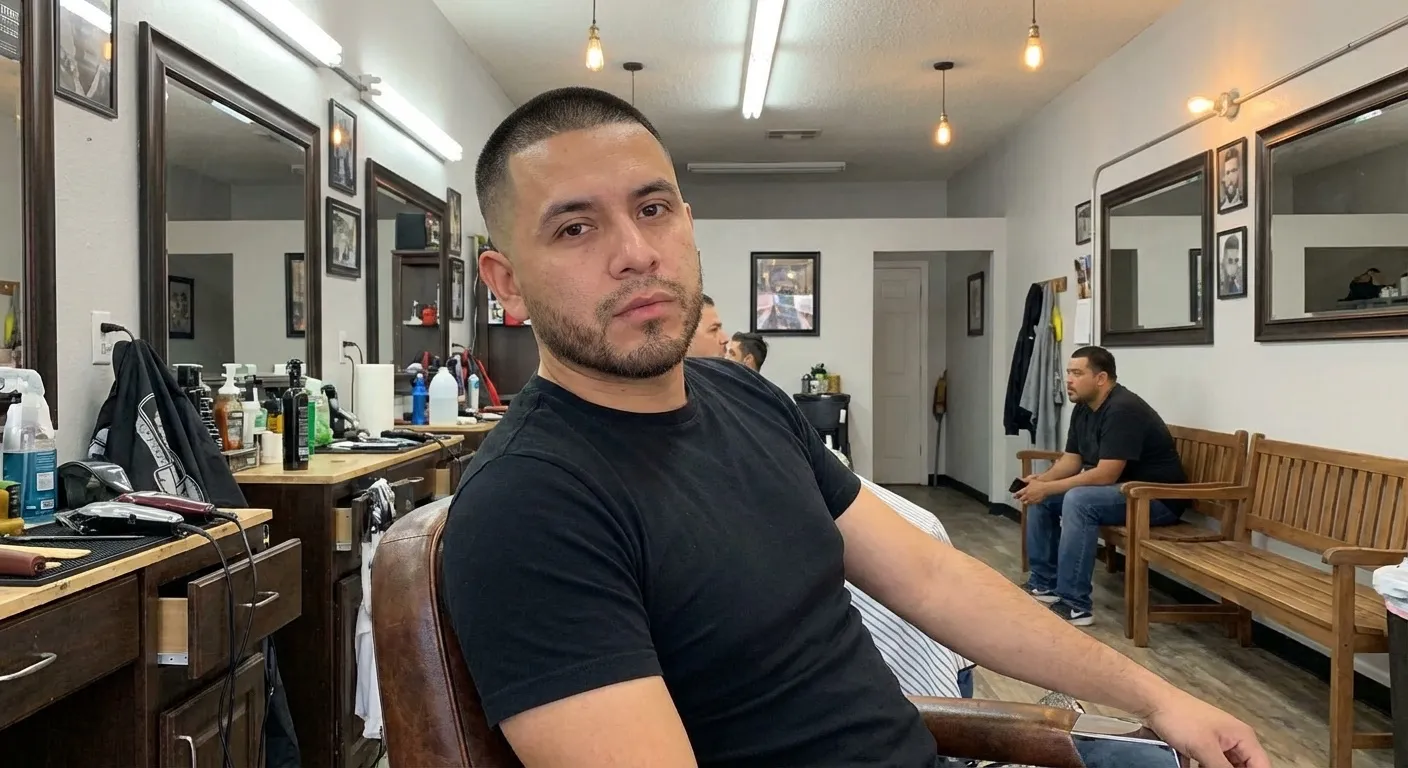
Marcus booked every other Thursday at 4pm. Two years straight. He’d walk in, hang his jacket on the same hook, sit down, and tell me about whatever project his team was working on. Software engineer. Quiet guy. Always tipped well. Never complained about the cut.
Then one Thursday, no Marcus. No text, no cancel. Just an empty 4pm slot.
The gap in the schedule
I figured he was sick or traveling. Texted him that Friday. “Hey man, missed you yesterday. Want to rebook?” No reply.
Next Thursday, same thing. Empty chair at 4pm. I left the slot open for two weeks before filling it.
That gap bothered me more than losing the revenue. A $40 cut every two weeks is about $1,040 a year. Real money. But what stuck was the silence. Two years of conversation, and then nothing.
I never heard from Marcus again. I still don’t know why he left. And that’s the part nobody prepares you for.
Why regular clients disappear
I wanted to believe it was something I did. Bad fade, off day, said the wrong thing. But a Square survey of over 2,000 U.S. adults found that 57% of clients who visited another provider did it because of scheduling difficulties. Not the cut. Not the vibe. Just couldn’t book at the right time.
One in three clients are in what Square calls an “open relationship” with their barber. They like you, but they’ll see someone else if it’s more convenient. The encouraging part: 61% of those who strayed regretted it. More than half came back.
Marcus might have tried another shop closer to his office. He might have moved. He might have started cutting his own hair during a busy stretch and never came back. I’ll never know, because I only texted once.
✅ Text twice, not once
When a regular misses without canceling, send a short check-in text within 48 hours. If no reply, send one more a week later. Keep it human. “Hey, hope everything’s good. Your chair’s here when you’re ready.” Two touches. After that, respect the silence.
What losing a client taught me about retention
After Marcus, I changed a few things. Small moves, but they added up.
I started pre-booking the next appointment before clients left the chair. Every regular gets asked “same time in two weeks?” while they’re still sitting down. That removes the friction of remembering to book later. The clients I pre-book show a retention rate close to 100%. The ones who say “I’ll book when I know my schedule” come back maybe 70% of the time.
I also started paying attention to the quiet clients. Marcus never complained, which I took as satisfaction. But silence isn’t feedback. The clients who tell you what they want, who send reference photos, who ask questions about products, those are the engaged ones. The quiet regulars are the ones most likely to drift.
Tracking where my clients actually come from helped too. I realized my best retention wasn’t with walk-ins or Instagram followers. It was with referrals. A client sent by a friend already trusts you before they sit down. That trust makes them stickier.
The math of one empty chair
Salons lose about 10% of their client base every year just from natural attrition. People move, change schedules, change tastes. You can’t stop all of it.
But a 10% improvement in retention can boost your lifetime client value by 30% or more. For a solo barber doing 25 clients a week at $40, keeping just two or three more regulars per year means an extra $2,000 to $3,000. That covers a month of chair rent in most cities.
The numbers matter. But what I remember isn’t the $1,040. It’s sitting in my own chair at 4:05 on a Thursday, looking at the door, realizing Marcus wasn’t walking through it.
What I’d tell a newer barber
Don’t wait for clients to leave before you think about retention. The work happens in the ordinary weeks, when everything seems fine. Pre-book. Follow up on missed appointments. Pay attention to the ones who don’t say much. And when someone does disappear, reach out more than once.
You won’t save every client. But you’ll lose fewer of them wondering what went wrong.