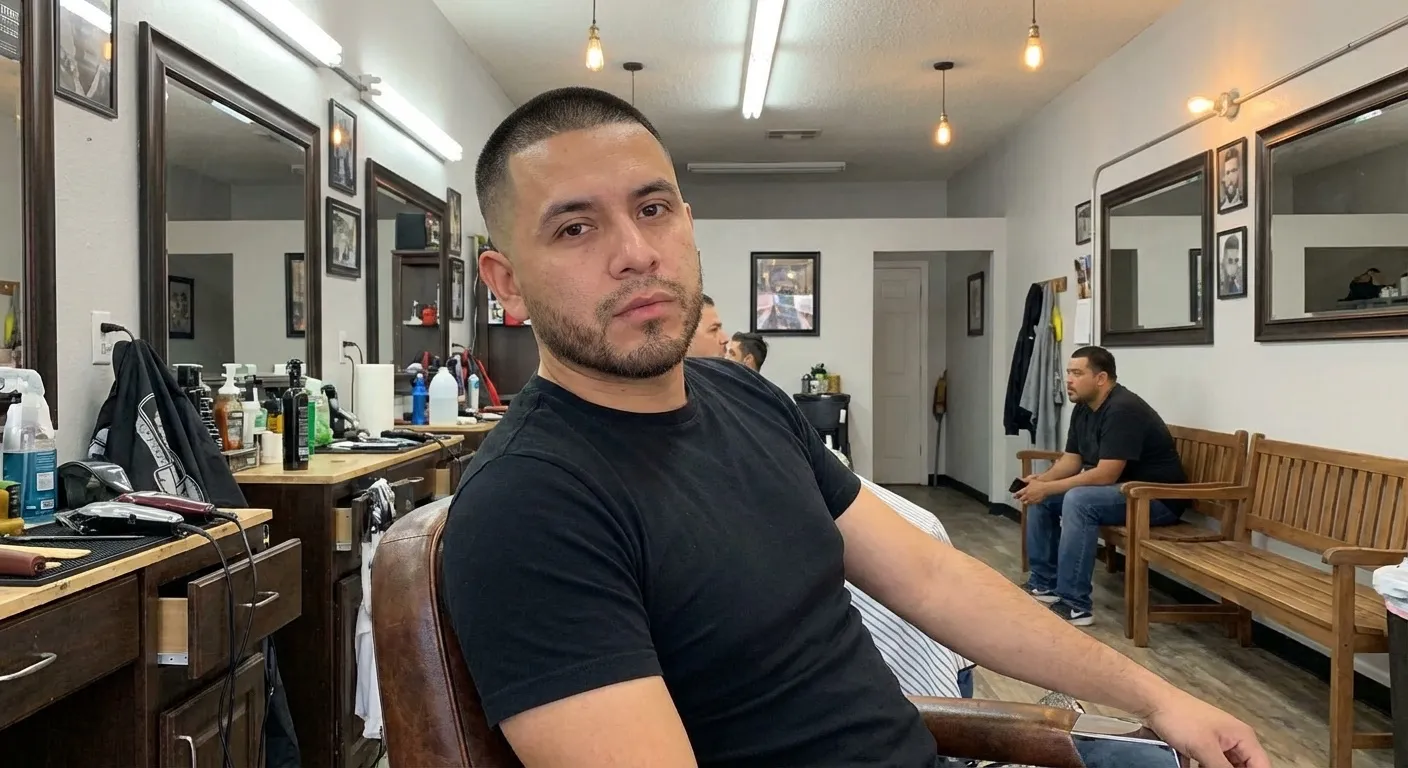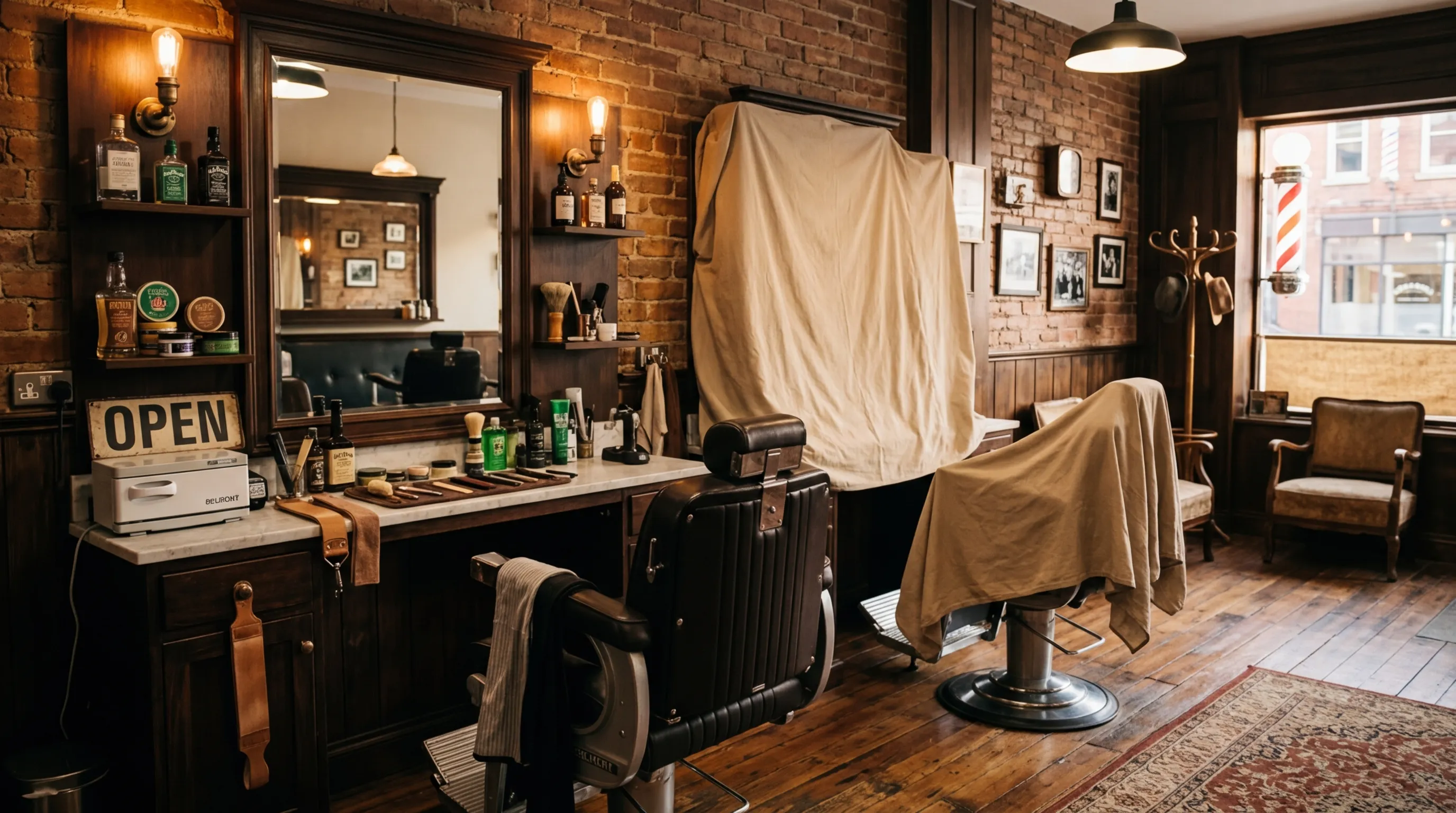
Every barber I know has heard this at least once: “When are you gonna get a real shop?” As if one chair, one station, and a full book isn’t real enough.
I run a one-chair operation. I turn people away most weeks. I make more money now than I did when I briefly considered expanding. And I’m not the exception. Most solo barbers would be better off staying exactly where they are.
The barber shop expansion math doesn’t work
Say you’re a solo barber grossing $80,000 a year. Your rent, products, and software run maybe $18,000. You net around $62,000. That’s a 77% margin on your work.
Now say you sign a bigger lease, add three chairs, and hire two barbers. A Bookedin analysis of barbershop profitability found that multi-chair shops grossing $250,000 often net only $30,000 after wages, rent, utilities, and insurance. That’s a 12% margin. You tripled your revenue and cut your take-home in half.
I’ve seen it happen. A barber I came up with in Miami opened a four-chair shop in 2023. He went from keeping every dollar to managing payroll, covering rent on chairs that sat empty on Tuesdays, and chasing barbers who called out sick. Eight months later, he was back to one chair. He says that year cost him $15,000 he’ll never get back.
Why barbers feel pressured to grow
The pressure comes from everywhere. Clients say “you should open your own spot.” Family asks when you’re going to “scale up.” Instagram is full of barbers showing off multi-location empires. Nobody posts about the months they couldn’t make rent.
Scaling makes sense for some people. If you genuinely want to manage a team and build something beyond your own hands, go for it. But most barbers I talk to don’t actually want to manage. They want to cut hair. They’re being sold on expansion by people who profit from the real estate, the equipment, and the coaching courses.
⚠️ Chair rent isn't passive income
If you’re thinking about renting out extra chairs, know this: empty chairs don’t pay rent. A DINGG industry report found that commercial rents in urban areas now exceed $6,000 a month. One flaky renter and you’re covering that gap yourself.
What a lean solo barber business actually looks like
I cut 8 to 10 clients a day, four days a week. My average ticket is around $45 when you include beard work and product. That puts me at $7,200 to $9,000 a month in gross revenue from one chair.
My overhead is low. Booth rent, supplies, booking software, payment processing. Total monthly cost sits under $1,800. No employees. No HR headaches. No insurance on a commercial space. When I want a Friday off, I block it. Nobody’s schedule falls apart.
Building a client base this way takes time, but once it’s built, the math is hard to beat. I got here by doing the boring fundamentals well, not by signing a bigger lease.
When hiring another barber actually makes sense
I’m not saying nobody should grow. But there are real signals that you’re ready, and “I’m busy” isn’t one of them.
You’re ready when you’ve been fully booked for six straight months and have a waitlist you can’t serve. When you have $20,000 saved beyond your personal emergency fund. When you’ve found a barber you trust who already has their own clients. When you want to spend less time cutting and more time running a business.
If you can’t check all four, stay in your chair. There’s no shame in it. That chair is the highest-margin seat in the building.
Bigger isn’t better. Fuller is.