The butterfly haircut is in early majority territory. Three years after its breakout on TikTok, the cut has moved past the stylists-who-follow-everything phase and into the chairs of clients who don’t know what a hair trend is. They just know they want “that layered thing.”
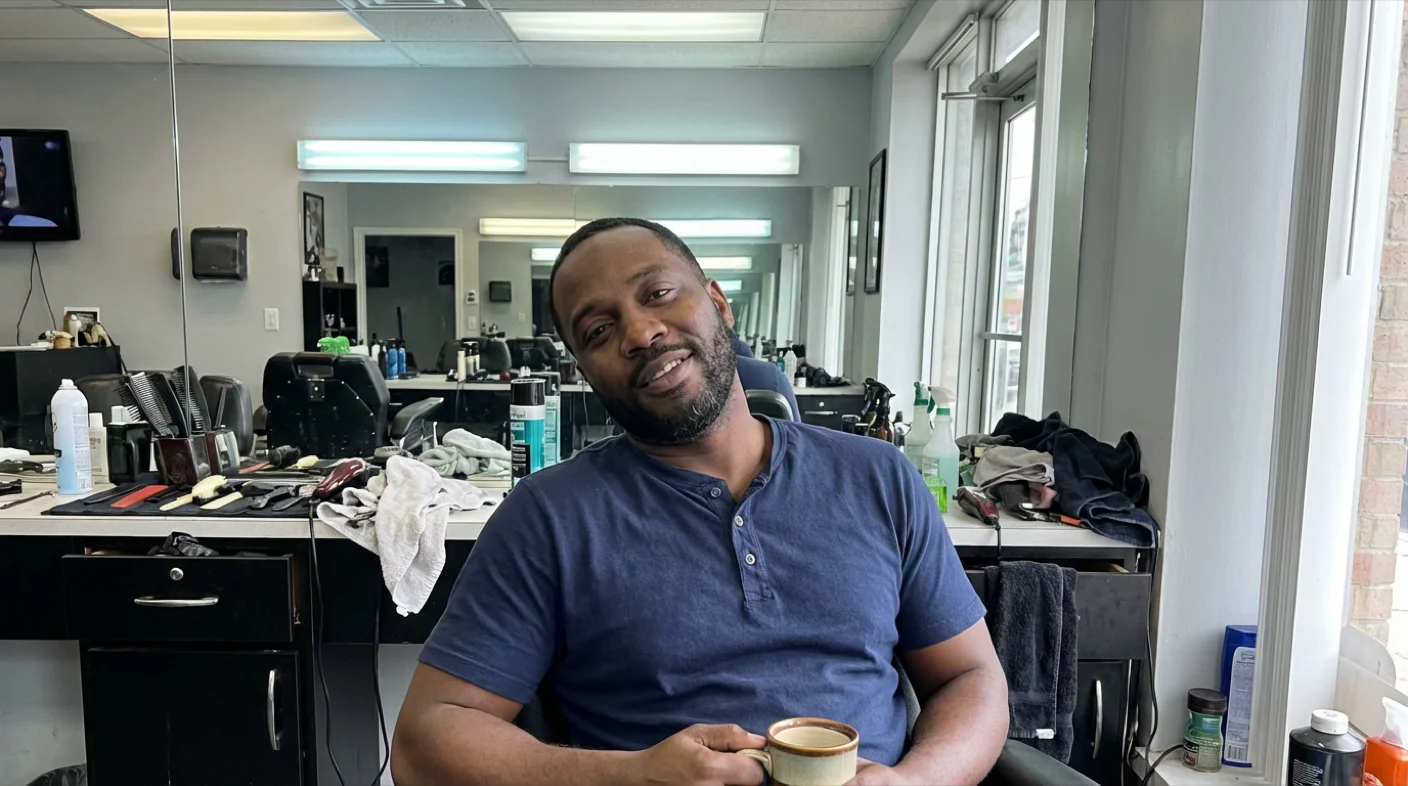
I track technique requests across two settings: my own chair in Brooklyn and the cosmetology school where I teach in Manhattan. The butterfly cut shows up in both. That overlap is the clearest signal I have that a trend has crossed from niche to mainstream.
How the Butterfly Cut Got Here
The butterfly cut’s timeline is unusually clean for a salon trend. Most techniques drift in gradually through editorial shoots and trade shows. This one arrived through social media with a speed that caught a lot of professionals off guard.
Late 2022
Early TikTok tutorials gain traction. Stylists experimenting with the cut post transformation videos.
2023
Breakout year. #ButterflyHaircut crosses 1 billion TikTok views. America's Beauty Show names it the breakout trend of 2023.
2024
Mainstream salon adoption accelerates. BehindTheChair features butterfly layer education. Variations emerge: butterfly bob, butterfly shag, butterfly wolf cut.
2025-2026
Early majority phase. Clients request it without referencing TikTok. Cosmetology programs add it to layering curriculum.
The pattern mirrors what I watched happen with curtain bangs a few years earlier, but faster. Curtain bangs took roughly five years to move from early adopter to saturation. The butterfly cut compressed that timeline to about three.
The Numbers Behind the Shift
Google search data fills in the picture. BeautyMatter reported 318,900 searches for “butterfly haircut” in Q3 2023 alone, representing a 370.7% spike from the prior period. Marie Claire noted searches doubled again through 2025.
But search volume alone doesn’t tell you where a trend sits. What matters is who’s searching. When the queries shift from “butterfly cut TikTok” to “butterfly haircut near me,” you’re watching early adopters hand off to the early majority. That handoff happened sometime in mid-2024.
Butterfly Cut Trend Indicators
Celebrity adoption reinforced the shift. Sabrina Carpenter, Jenna Ortega, Jennifer Lopez, and Kelly Rowland have all worn versions of the cut. When the celebrity list spans pop, film, and R&B, you’re past the “one influencer made it viral” stage.
Why This Cut Sticks
Most viral haircuts flame out within 18 months. The butterfly cut has held for three years and counting. The reason is structural, not aesthetic.
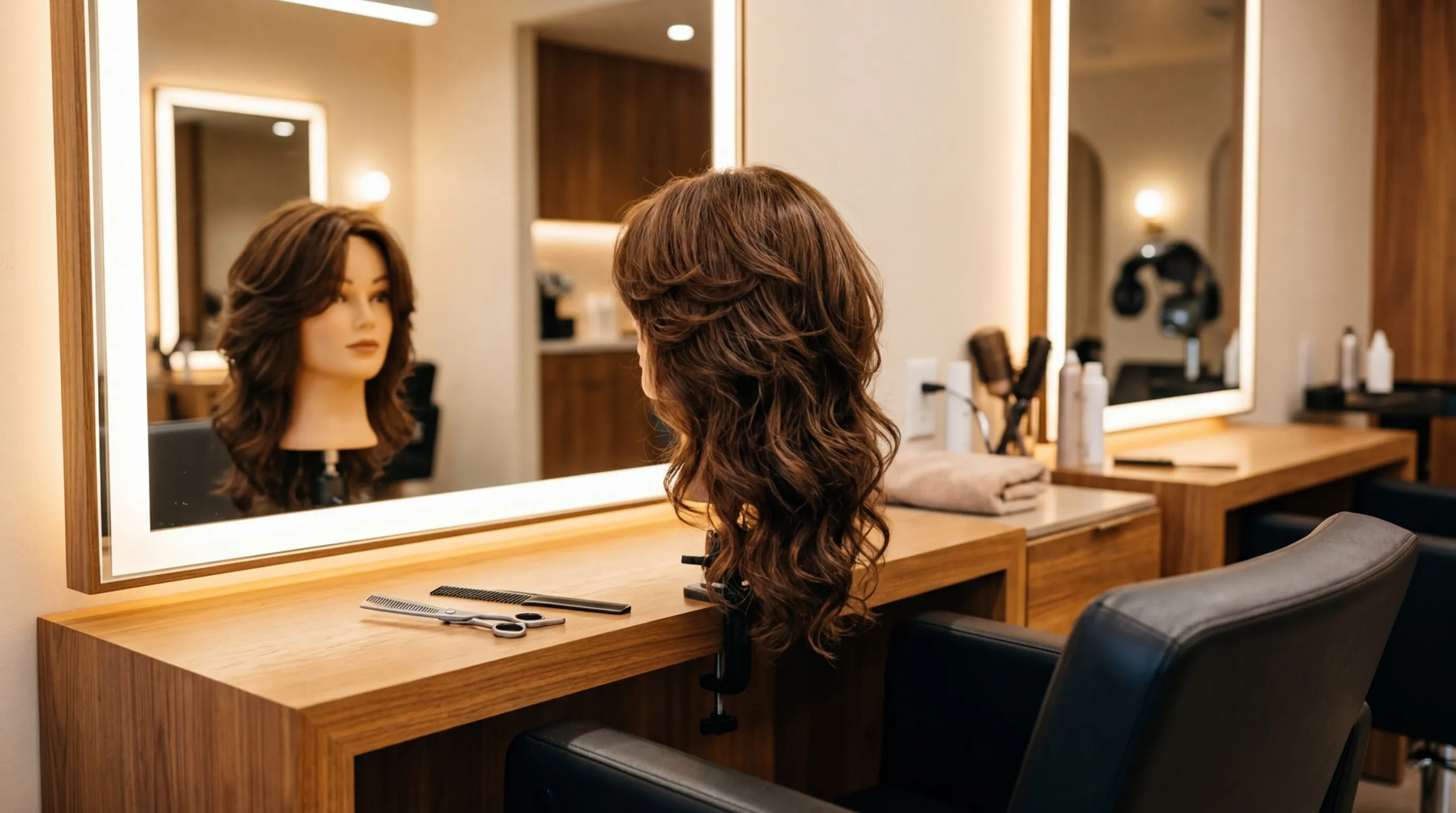
The technique solves a real client problem: how to add volume and movement without losing length. BehindTheChair’s education coverage describes the mechanics well. Shorter layers concentrate around the crown for lift, while longer layers preserve the perimeter. The silhouette fans outward like wings, which is where the name comes from.
That functional benefit means the cut appeals beyond trend-chasers. I see it requested by clients in their 40s who want body without the commitment of a shorter style. I see it on curly and wavy textures where the layering pattern works with natural volume instead of fighting it. The broader the client base, the longer a trend holds.
How Butterfly Layers Differ From Ghost Layers
One question I get from both students and working stylists: how does the butterfly cut relate to ghost layers?
The distinction matters for menu positioning. Ghost layers are interior layers designed to be invisible. They add movement without any visible layering when the hair hangs naturally. The butterfly cut is the opposite approach: layers are the point. The shortest pieces frame the face at chin or collarbone length, and the graduation is visible and intentional.
In practice, this means the butterfly cut photographs better (every layer catches light differently) while ghost layers feel better (clients run their hands through seamless texture). Both are in demand. They serve different clients.
Salon Strategy at This Stage
Early majority is the highest-revenue phase of any trend. The technique is established enough that clients seek it by name, but not so saturated that everyone on your block offers it. Here’s how I’d approach it.
Price it as a specialty cut. The butterfly cut takes 15 to 20 minutes longer than a standard layered cut because the graduation between crown and perimeter layers needs precision. That time should be reflected in your price. A $15 to $25 upcharge over your standard cut is reasonable and clients expect it for a named technique.
Learn the variations. The butterfly bob, butterfly shag, and butterfly wolf cut are all client requests I hear. Each requires a different approach to where the shortest layer falls and how much disconnection you build in. Investing in technique education now pays off while demand is still climbing.
Photograph it well. Butterfly cuts are the most photogenic layered style since the shag revival. The visible graduation means every angle shows something different. If you’re building a portfolio for social or your booking page, this is the cut to feature.
Don’t oversaturate your own menu. You don’t need five butterfly cut variations listed as separate services. One line item with a note about variations during consultation keeps your menu clean and your chair flexible.
Where It Goes From Here
I don’t make timing predictions. The data doesn’t support them. What I can say is that the butterfly cut has structural staying power that most viral trends lack. It solves a real problem, works across textures, and adapts to multiple variations.
The risk isn’t that it disappears. The risk is that it becomes so standard that clients stop asking for it by name, the way nobody specifically requests “long layers” anymore. When that happens, the premium pricing window closes.
For now, the window is open. The technique is learnable, the demand is real, and the clients are already searching for it.