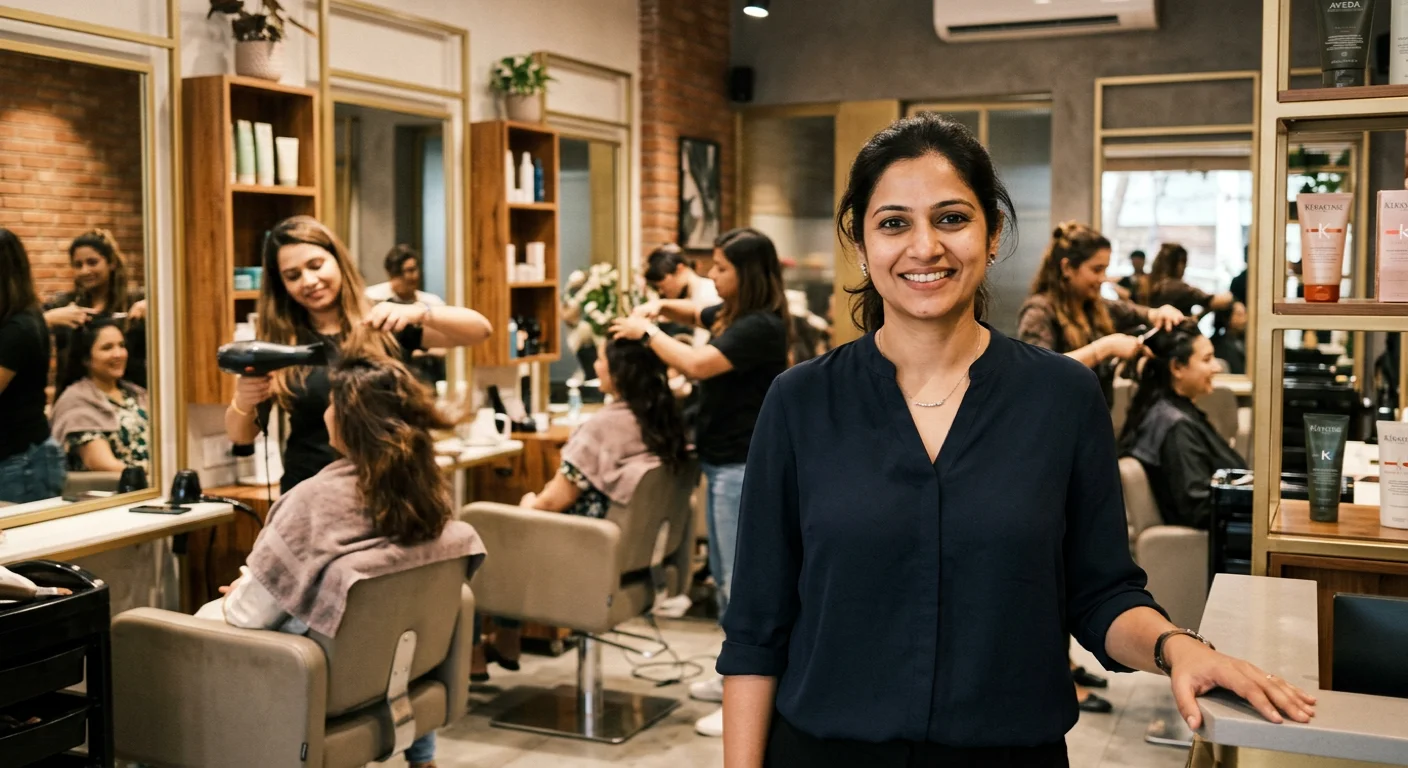
I signed the lease for my second salon on a Tuesday afternoon in March 2021. My first location had been profitable for three straight years. I had six stylists, a waitlist, and a business plan that said I was ready. The business plan was right about the numbers. It was wrong about everything else.
The space was 1,400 square feet in a strip mall in Oak Cliff, about twenty minutes from my original location in Uptown Dallas. The rent was $2,800 a month, which felt manageable on paper. What the paper didn’t show was the four months of double rent I’d pay before a single client sat in a chair.
The Real Budget to Open a Second Salon Location
Everyone talks about startup costs in ranges. “$60K to $130K depending on your market.” That’s true and also useless when you’re writing actual checks. Here’s what my second location cost, line by line, between signing the lease and opening the doors.
Month 1: Lease and Permits
First month rent, security deposit, city permits, and architect consultation. $11,200 out the door before any construction started.
Month 2-3: Buildout
Plumbing for six wash stations, electrical for each styling station, flooring, paint, mirrors, cabinetry. General contractor cost $47,000. I thought it would be $35K.
Month 3: Equipment
Six styling chairs, three wash units, dryers, reception desk, POS system. $22,400 total. I bought two chairs used to save money and regretted it within six months.
Month 4: Pre-Opening
Insurance, initial product inventory, signage, marketing for the grand opening. $13,100. Hired two stylists and a receptionist before we had any revenue.
Total: $93,700. My business plan had estimated $75,000. The overrun came from the buildout, which always costs more than the bid, and from the gap between finishing construction and actually booking clients. Those empty weeks still cost money.
I funded it with a combination of an SBA loan ($60,000) and profits I’d saved from my first location over two years. If I hadn’t built an emergency fund during those profitable years, the expansion would not have been possible. Period.
What Broke at Location One
This is the part nobody warns you about when you decide to open a second salon location. Your first location does not pause while you build the second one. It keeps running, and it keeps needing you, and you are suddenly not there.
Within six weeks of signing the lease, my Uptown salon’s rebooking rate dropped from 61% to 48%. My best stylist told me clients were asking where I was. Two of them had started booking elsewhere because they “weren’t sure we were still open.” We were open every day. I just wasn’t visible.
I was spending three to four hours a day at the construction site, another two hours on vendor calls, and trying to manage my existing team in whatever time was left. I stopped doing one-on-ones with my stylists. I missed inventory issues that would have been obvious if I’d been walking the floor. By month three of the buildout, my Uptown location’s revenue had dropped 11%.
⚠️ Your first location will feel the absence
According to industry data, 80% of multi-location retail businesses report significant scaling challenges in the first two years. For salon owners, the most common early symptom is a drop in performance at the original location while the owner’s attention is split.
I got that 11% back eventually, but it took four months after the second location opened. The fix was simple in hindsight: I promoted my senior stylist to floor lead at Uptown, gave her a raise, and stopped trying to be physically present at both places every day. I wrote about the broader pattern of handing off responsibilities in a previous piece, but the short version is that I should have made that promotion before the buildout started, not after the damage was done.
The First Six Months Open
The second salon opened on a Thursday in late June. We had 14 bookings that first week. My Uptown location was doing 80+ per week at that point. The contrast was brutal.
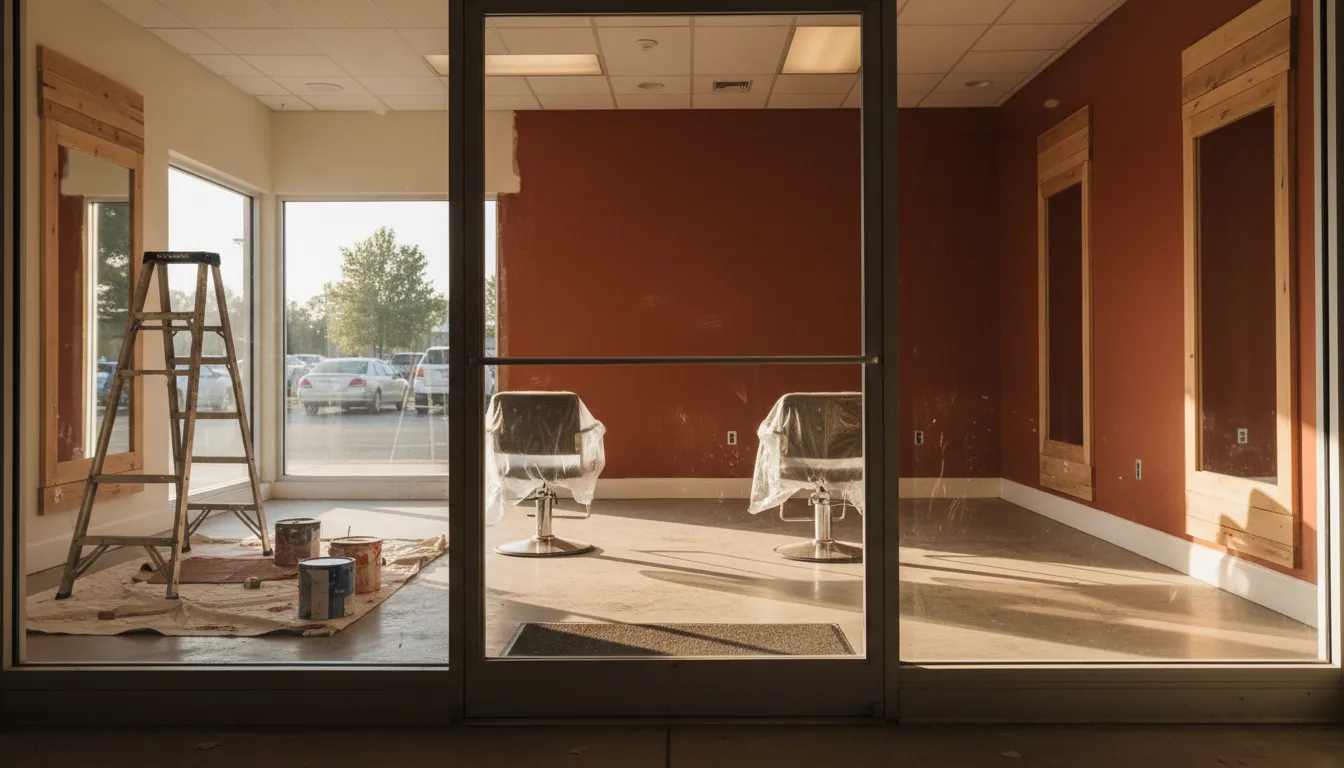
Here is what the revenue trajectory actually looked like:
Month 1: $8,200 revenue
Three stylists, barely any walk-ins. Marketing was running but the neighborhood didn't know us yet. I was doing clients myself to fill chairs.
Month 3: $16,500 revenue
Word of mouth started working. Google reviews hit 30. One stylist from my Uptown location transferred, which helped immediately.
Month 6: $28,400 revenue
Break-even on monthly operating costs. Not profitable yet when you count the loan payments, but the bleeding had stopped.
Month 12: $38,000 revenue
Fully booked three days per week. Two more stylists hired. First month where the second location contributed positive cash flow after debt service.
It took twelve months to reach positive cash flow. Industry benchmarks suggest 12 to 18 months for a new salon to break even, so we were on the early side. But those twelve months felt longer than any year of my career.
What It Cost Me Personally
I gained fifteen pounds between March and September of 2021. I was eating fast food in my car between locations. I missed my daughter’s spring dance recital because a pipe burst at the Oak Cliff salon two hours before the show. My husband and I had the same argument every Sunday night: “You said it would get easier after the opening.” It didn’t get easier after the opening. It got different.
I slept an average of five hours a night for the first three months the second location was open. I tracked it because my doctor told me to after my blood pressure spiked at a routine checkup. When someone tells you they opened a second salon and it went great, ask them what their spouse thought about it. Ask them what they missed.
I say this not to discourage you. I have three locations now and I would make the same choice again. But I would make it with a more honest understanding of the personal cost, and I would have had a manager in place at my first location before I signed that lease. That single decision, waiting on the promotion, cost me revenue, sleep, and a recital I can never get back.
What I’d Do Differently
Three things. First, I would have promoted my floor lead at least two months before starting the buildout. Your first location needs a leader who is not you before you split your attention. I wrote about what to hand off and when separately, but the timing matters more than the list.
Second, I would have budgeted 25% over my contractor’s estimate from day one instead of treating the bid as the ceiling. Every salon owner I’ve talked to since has had construction overruns. Plan for them.
Third, I would have given myself a longer runway to break even. My business plan said nine months. Reality was twelve. The three-month gap meant dipping into reserves I’d earmarked for other things. Build eighteen months of operating costs into your expansion budget, even if you think you’ll only need twelve.
Where Things Stand Now
My Oak Cliff location did $485,000 in revenue last year across eight stylists. It is the strongest performer of my three salons. The neighborhood that felt like a risk turned out to be underserved and loyal. Most of my clients there have been coming for four years now.
Opening a second salon location was the hardest business decision I’ve made and also the one that turned a single salon into an actual company. The gap between those two facts is where all the real work lives. If you’re considering it, make sure your first location can run without you in the building. Make sure your budget has room to be wrong. And make sure the people in your life know what’s coming, because the business plan won’t tell them.